
-
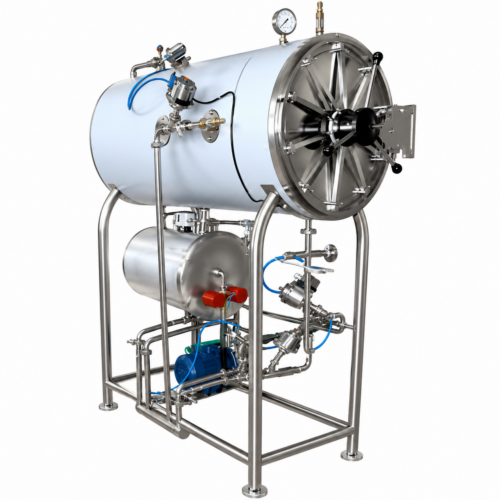 Autoclaves are specialized pressure vessels used to sterilize equipment and materials by subjecting them to high-pressure saturated steam at temperatures of 121°C (250°F) or higher. This process effectively destroys harmful microorganisms, including bacteria, viruses, fungi, and spores, ensuring the safety and sterility of medical, laboratory, and industrial instruments. Autoclaves are widely utilized in healthcare settings, research laboratories, and industries requiring stringent sterilization protocols. They are designed to handle various materials such as surgical instruments, glassware, liquids, and media, providing reliable and efficient sterilization solutions.
 -
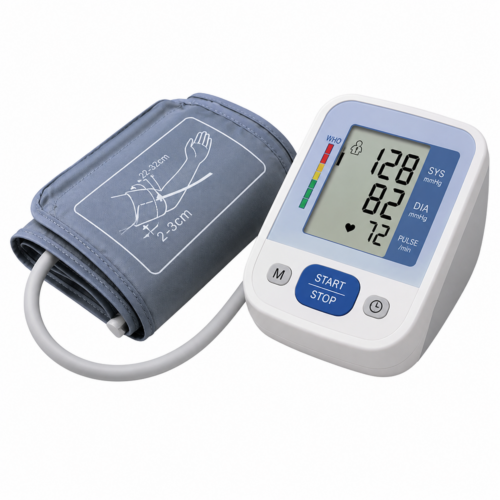 Blood pressure monitors are essential devices used to measure the force of blood against the walls of arteries as the heart pumps it around the body. Regular monitoring is crucial for detecting hypertension, a condition that can lead to serious health issues if left unmanaged. These monitors are available in various types, including manual (aneroid) and digital models, with digital monitors being more user-friendly and commonly used at home. Features to consider when selecting a BP monitor include cuff size, ease of use, memory storage for previous readings, and whether the device is validated for accuracy. It's important to choose a monitor that suits your specific needs and to follow the manufacturer's instructions for accurate readings.
 -
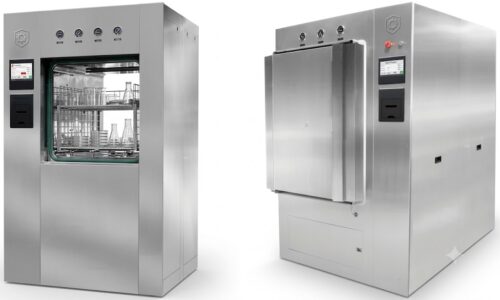 Disinfectants are chemical agents used to eliminate or reduce harmful microorganisms on surfaces, instruments, and hands, playing a vital role in infection prevention and control. They are commonly used in hospitals, laboratories, homes, and public spaces to maintain hygiene and reduce the spread of infectious diseases. Disinfectants come in various forms, including sprays, wipes, gels, and liquids, and contain active ingredients like alcohol, chlorine, or quaternary ammonium compounds. Choosing the appropriate disinfectant and using it according to guidelines ensures effective microbial control and safety. (who.int, cdc.gov)
 -
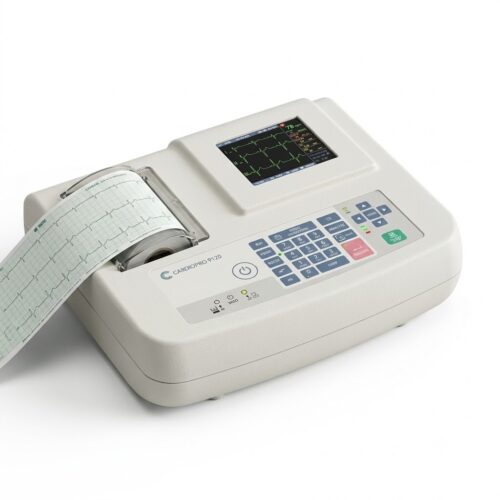 ECG machines are vital diagnostic tools used to measure the electrical activity of the heart over a period. They are essential in detecting heart conditions such as arrhythmias, heart attacks, and other cardiac abnormalities. ECG machines come in various models, including portable versions for home use and more advanced systems for hospital settings. Features to consider when selecting an ECG machine include the number of channels (commonly 12-lead), portability, ease of use, and connectivity options for data sharing and analysis.
 -
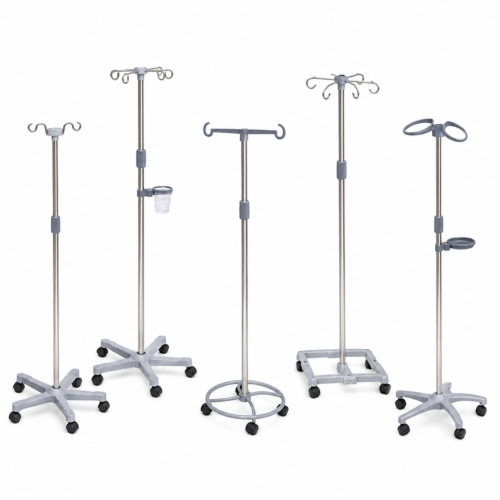 IV stands, also known as intravenous poles, are essential medical devices used to hold IV fluid bags, medications, or blood transfusion bags, allowing controlled administration to patients through an IV drip. They are designed to be sturdy and stable, preventing tipping during use. Most IV stands feature adjustable height mechanisms, enabling healthcare professionals to position the IV bags at the optimal height for patient care. The stands are typically equipped with multiple hooks to accommodate various IV bags simultaneously. Additionally, many models come with smooth-rolling casters for easy mobility within hospital rooms or clinics. Materials commonly used in IV stands include stainless steel and mild steel, both offering durability and resistance to corrosion. These stands are indispensable in hospitals, clinics, nursing homes, and other medical institutions for efficient and safe patient care.
 -
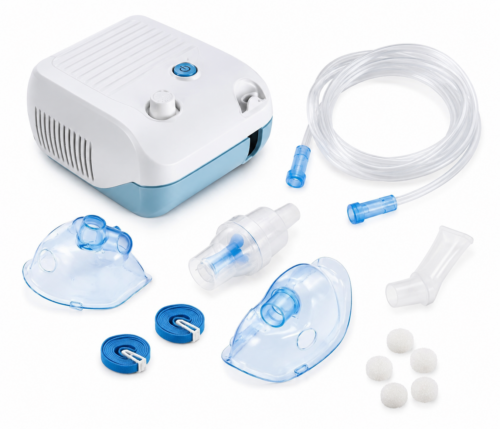 Nebulizers are medical devices that convert liquid medication into a fine mist, facilitating direct inhalation into the lungs. They are commonly used to treat respiratory conditions such as asthma, chronic obstructive pulmonary disease (COPD), and cystic fibrosis. Nebulizers are particularly beneficial for individuals who have difficulty using inhalers, including young children and elderly patients. There are various types of nebulizers, including jet, ultrasonic, and mesh nebulizers, each offering distinct advantages in terms of portability, noise levels, and medication delivery efficiency. Proper maintenance and cleaning of nebulizers are essential to ensure their effectiveness and prevent infections.
 -
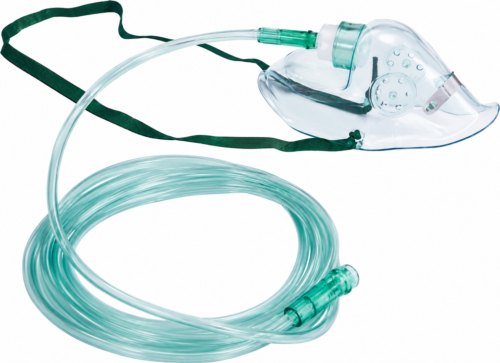 Oxygen masks are medical devices designed to deliver supplemental oxygen to individuals experiencing respiratory distress or low blood oxygen levels. They are commonly used in emergency settings, hospitals, and during transport to ensure adequate oxygenation. Oxygen masks come in various types, including non-rebreather masks, which provide high concentrations of oxygen, and nasal cannulas, which deliver lower concentrations. The choice of mask depends on the patient's condition and the required oxygen flow rate. Proper use of oxygen masks is crucial for effective respiratory support and patient safety.
 -
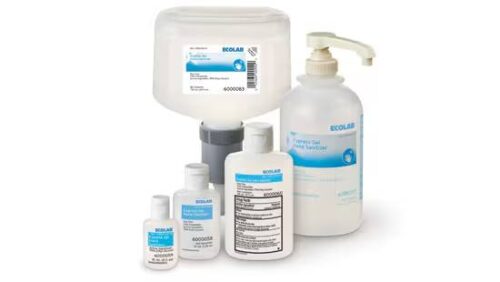 Sanitizers are convenient hand hygiene products designed to kill germs and bacteria quickly, especially when soap and water aren't available. They typically contain alcohol, which effectively disinfects hands and helps reduce the spread of infections. Available as gels, sprays, or wipes, sanitizers are essential in healthcare settings, workplaces, and everyday use to maintain clean and safe hands. Regular use promotes health and prevents disease transmission.
 -
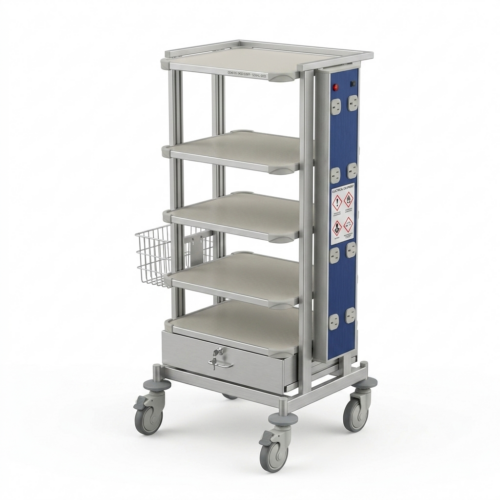 Hospital trolleys are mobile units designed to transport medical supplies, equipment, and medications within healthcare facilities. They are essential for improving workflow efficiency, enhancing patient care, and ensuring the availability of necessary tools at the point of use. These trolleys come in various types, including emergency trolleys, medication trolleys, dressing trolleys, and instrument trolleys, each tailored to specific medical functions. Features typically include sturdy construction, multiple shelves or drawers, and smooth-rolling casters for easy mobility.
 -
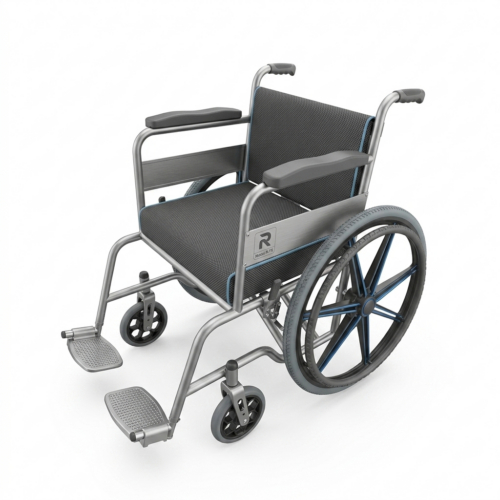 Wheelchairs are essential mobility aids designed to assist individuals with walking difficulties due to illness, injury, or age-related conditions. They provide users with the ability to move independently, enhancing their quality of life and facilitating participation in daily activities. Wheelchairs come in various types, including manual and powered models, to suit different needs and preferences.
Email. info@asnikainternational.com Call. +91 72087 38558

Global merchant trading and sourcing company serving the pharmaceutical and healthcare manufacturing industry.
QUICK LINKS
OUR SERVICES
CONTACT US
© Copyright 2025 Asnika International. All Rights Reserved. | Designed and Developed by 

Privacy Policy | Terms & Conditions