
-
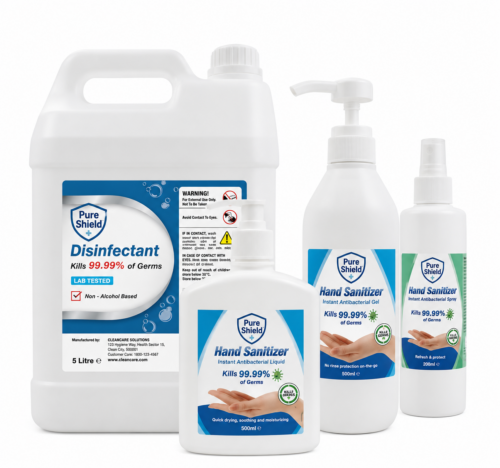 Alcohol-based hand sanitizers (available in gel and liquid forms) are powerful antimicrobial products designed to quickly kill germs and bacteria on the skin. With alcohol content typically ranging from 60% to 95%, they provide rapid disinfection, making them highly effective for hand hygiene when soap and water are unavailable. The gel form offers easy application and minimal mess, while the liquid form is suitable for larger coverage and surface disinfection. Both forms are widely used in healthcare, public places, and homes to help reduce the spread of infections and maintain personal hygiene. Regular use supports healthy hands and safer environments.
 -
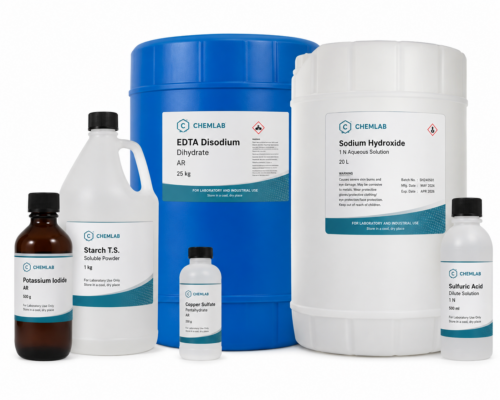 High-purity chemical reagents (acids, bases, indicators, salts) specially formulated and tested for analytical use. These AR‑grade reagents are essential for reliable qualitative and quantitative lab analyses—ideal for titration, spectroscopy, chromatography, and more.
 -
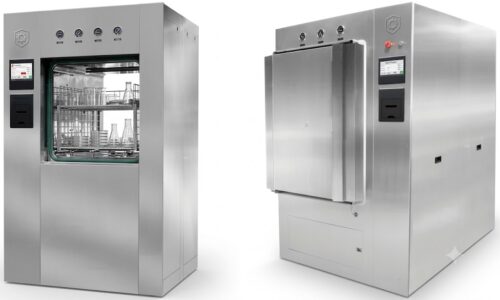
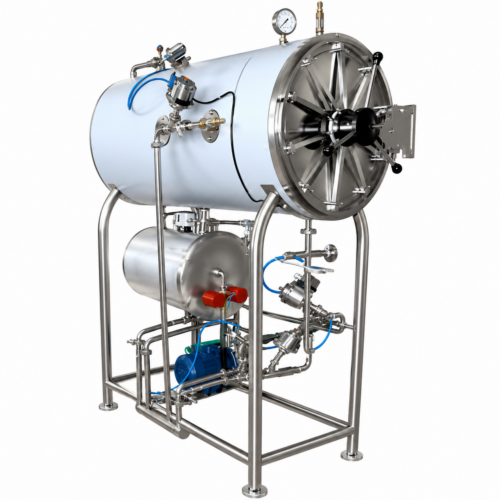 Autoclaves are specialized pressure vessels used to sterilize equipment and materials by subjecting them to high-pressure saturated steam at temperatures of 121°C (250°F) or higher. This process effectively destroys harmful microorganisms, including bacteria, viruses, fungi, and spores, ensuring the safety and sterility of medical, laboratory, and industrial instruments. Autoclaves are widely utilized in healthcare settings, research laboratories, and industries requiring stringent sterilization protocols. They are designed to handle various materials such as surgical instruments, glassware, liquids, and media, providing reliable and efficient sterilization solutions.
 -
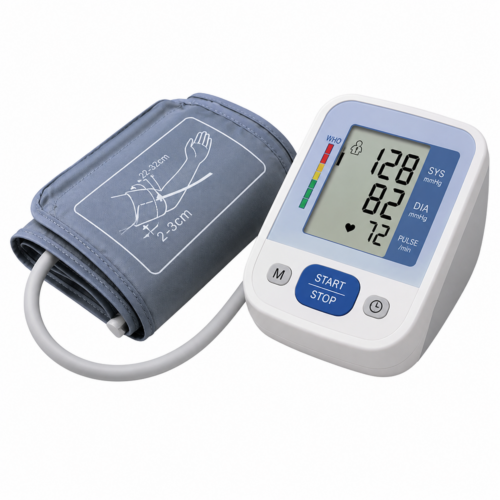 Blood pressure monitors are essential devices used to measure the force of blood against the walls of arteries as the heart pumps it around the body. Regular monitoring is crucial for detecting hypertension, a condition that can lead to serious health issues if left unmanaged. These monitors are available in various types, including manual (aneroid) and digital models, with digital monitors being more user-friendly and commonly used at home. Features to consider when selecting a BP monitor include cuff size, ease of use, memory storage for previous readings, and whether the device is validated for accuracy. It's important to choose a monitor that suits your specific needs and to follow the manufacturer's instructions for accurate readings.
 -
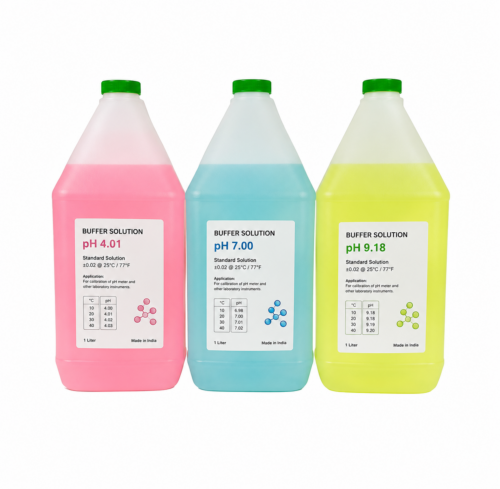 Ready-to-use pH buffer solutions in labeled bottles (commonly pH 4.01, 6.00, 7.00, 10.00) designed for precise pH calibration and maintenance in analytical and biological laboratories, offering high stability and traceability.
 -
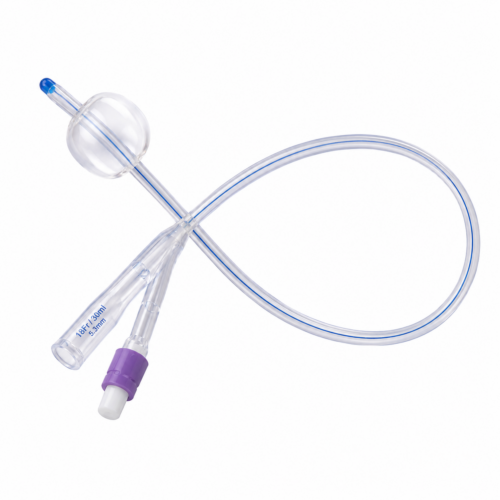 Sterile, ready-to-use catheters designed for urinary and medical fluid drainage. Available in multiple types—including Foley (indwelling), intermittent/straight, coudé, and suction variants—constructed for patient safety, comfort, and clinical precision.
 -
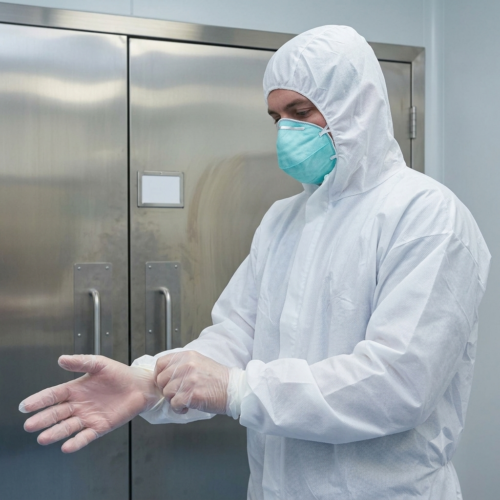 High-quality cleanroom apparel designed to prevent contamination in controlled environments. Includes coveralls, hoods, boots, and gloves made from low-shedding, anti-static, lint-free fabrics—ideal for pharmaceutical, semiconductor, biotech, and medical industries.
 -
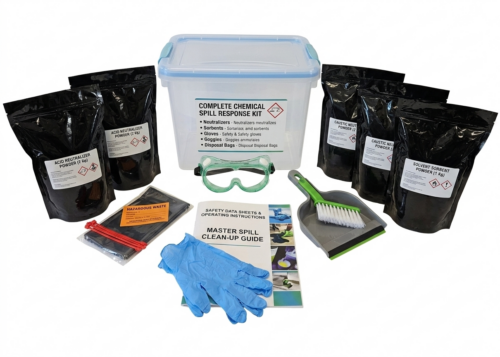
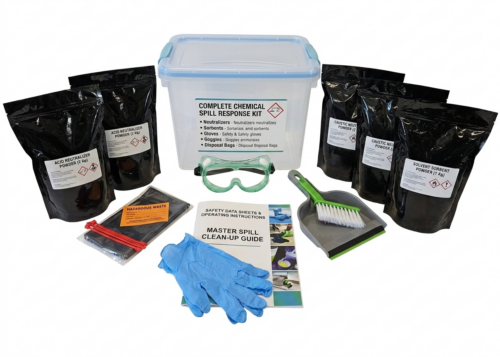 Turnkey, lab-ready chemical kits tailored for QA/QC workflows—including titrations, trace elemental testing, sterility checks, and environmental analysis. Each kit arrives complete with standardized reagents, labware, documentation, and optional branding, designed to streamline protocol compliance and performance.
 -
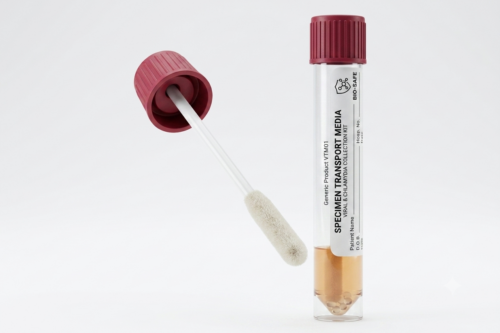 Diagnostic swabs are specialized tools designed for the collection of clinical specimens from various anatomical sites, including the nasopharynx, oropharynx, and skin lesions. These swabs are essential for accurate detection of pathogens in tests such as PCR, antigen assays, and bacterial cultures. They are commonly used in the diagnosis of respiratory infections, sexually transmitted infections, and other communicable diseases.
 -
 Disinfectants are chemical agents used to eliminate or reduce harmful microorganisms on surfaces, instruments, and hands, playing a vital role in infection prevention and control. They are commonly used in hospitals, laboratories, homes, and public spaces to maintain hygiene and reduce the spread of infectious diseases. Disinfectants come in various forms, including sprays, wipes, gels, and liquids, and contain active ingredients like alcohol, chlorine, or quaternary ammonium compounds. Choosing the appropriate disinfectant and using it according to guidelines ensures effective microbial control and safety. (who.int, cdc.gov)
 -
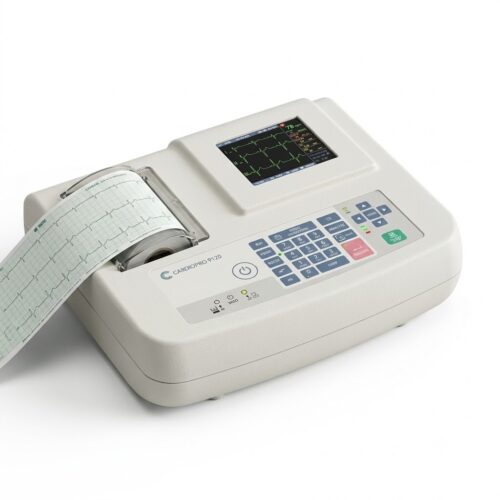 ECG machines are vital diagnostic tools used to measure the electrical activity of the heart over a period. They are essential in detecting heart conditions such as arrhythmias, heart attacks, and other cardiac abnormalities. ECG machines come in various models, including portable versions for home use and more advanced systems for hospital settings. Features to consider when selecting an ECG machine include the number of channels (commonly 12-lead), portability, ease of use, and connectivity options for data sharing and analysis.
 -
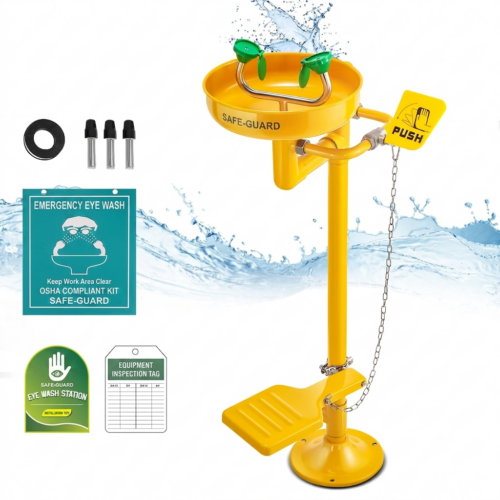 A vital safety fixture designed for quick and effective flushing of contaminated eyes. Features stainless steel or durable ABS housing, dual nozzles with dust covers, and easy hands-free activation—ideal for industrial, laboratory, or workshop settings.
Email. info@asnikainternational.com Call. +91 72087 38558






Global merchant trading and sourcing company serving the pharmaceutical and healthcare manufacturing industry.
QUICK LINKS
OUR SERVICES
CONTACT US
© Copyright 2025 Asnika International. All Rights Reserved. | Designed and Developed by 

Privacy Policy | Terms & Conditions