
-
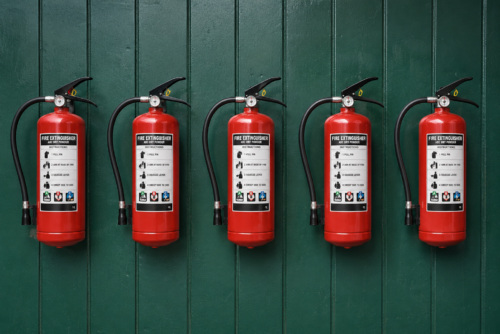 A compact, easy-to-use fire extinguisher equipped with a pressure gauge, safety pin, and nozzle—ideal for quick response to small fires in homes, offices, and commercial spaces.
 -
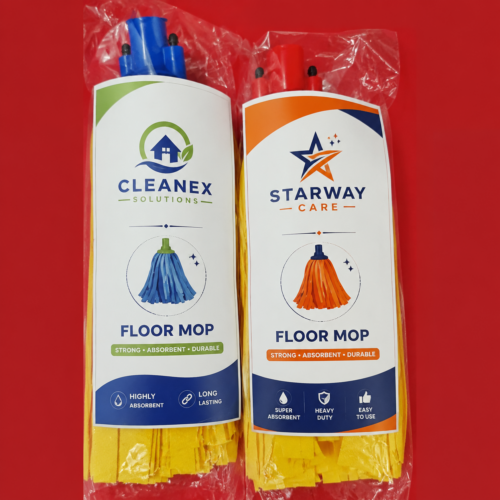 Floor Mop
 -
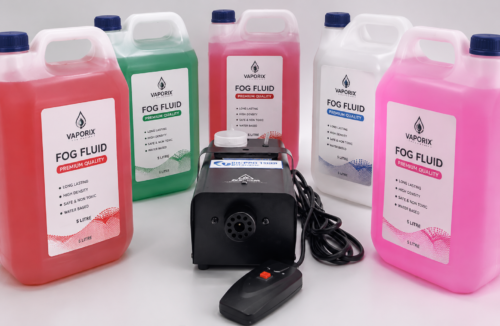 Fogging and misting disinfectant solutions offer efficient and thorough sanitization by dispersing fine droplets of disinfectant into the air, allowing coverage of hard-to-reach surfaces and large areas. These methods are widely used in hospitals, industrial facilities, and public spaces to control the spread of pathogens including viruses, bacteria, and fungi. The fog or mist penetrates cracks, crevices, and ventilation systems, ensuring comprehensive microbial control. Suitable for both routine cleaning and outbreak situations, fogging and misting solutions enhance hygiene standards and promote safer environments.
 -
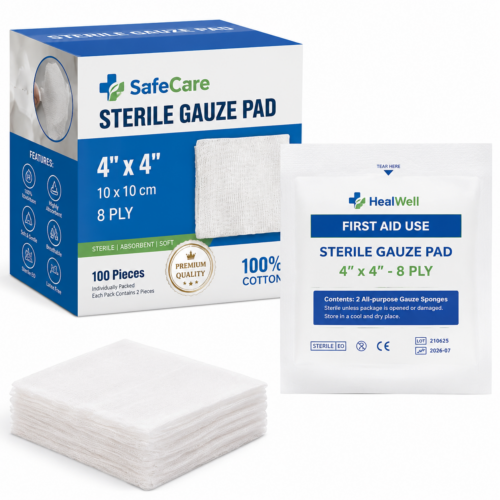 Sterile, individually wrapped, highly absorbent gauze pads made from 100% cotton or non-woven fibers. Designed for wound cleaning, protection, and dressing changes in clinical, surgical, or first-aid settings.
 -
 Premium disposable surgical gloves made from latex, nitrile, or polyisoprene—powder-free and sterile—offering exceptional protection, tactile sensitivity, and firm grip under dry or wet conditions, essential for precise procedures in operating rooms and clinical environments.
 -
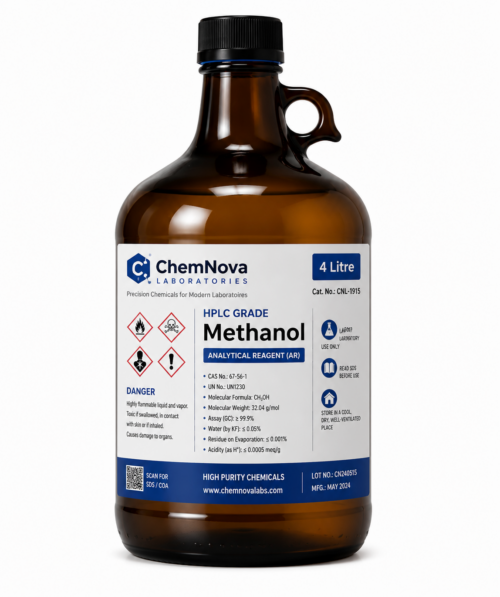 Analytical-grade solvents for HPLC and GC applications, including acetonitrile, methanol, water, and others—each carefully purified, filtered, and packaged to support sensitive laboratory analyses with minimal impurities and UV absorbance.
 -
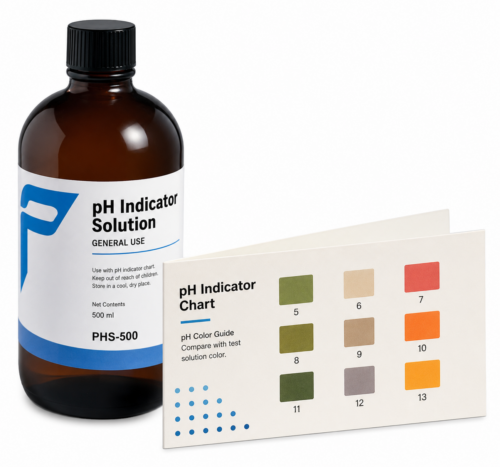 Premium-quality analytical indicators used in quality control labs to detect reaction endpoints, measure pH shifts, monitor redox processes, or signal sterilization efficacy. These precise solutions reliably change color under specific conditions, supporting accurate and consistent laboratory testing.
 -
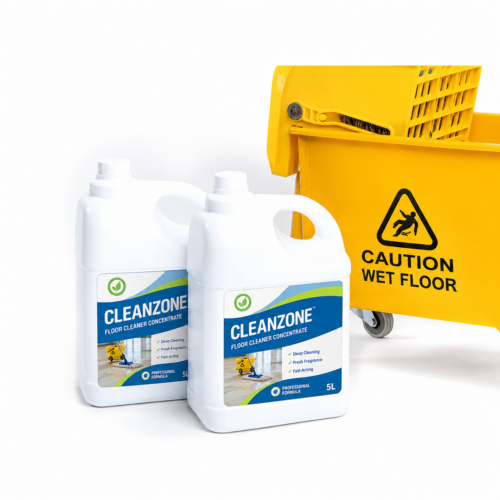 Industrial-grade cleaning agents and floor sanitizers are specially formulated to tackle heavy-duty dirt, grease, and microbial contaminants in commercial and industrial environments. Designed for use on a variety of hard surfaces, including concrete, tiles, and metal floors, these products ensure deep cleaning while maintaining surface integrity. Their potent antimicrobial properties help control bacteria, fungi, and viruses, making them ideal for factories, warehouses, hospitals, and food processing units. Using these cleaning agents regularly supports a hygienic, safe, and compliant workspace.
 -
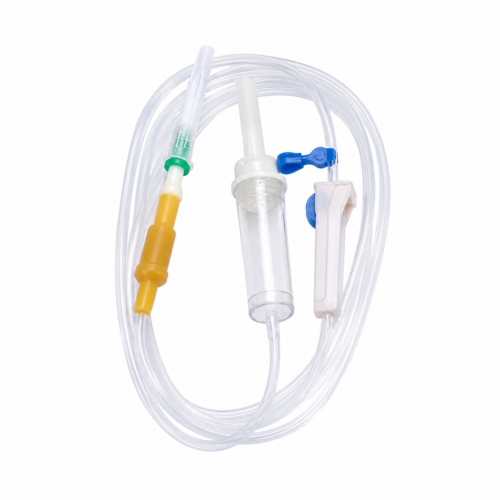 Sterile IV administration sets engineered for safe, accurate, and controlled delivery of fluids, medications, and blood—commonly used in hospitals, clinics, and home care settings.
 -
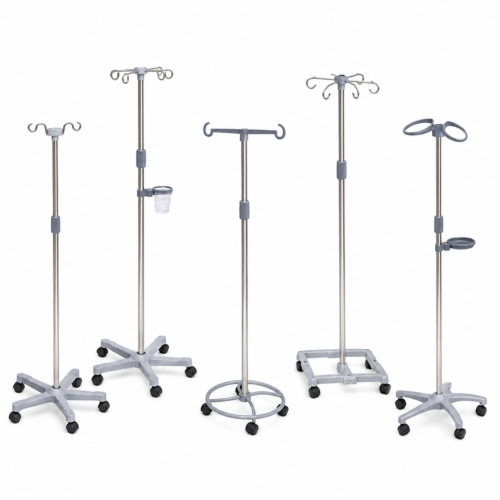 IV stands, also known as intravenous poles, are essential medical devices used to hold IV fluid bags, medications, or blood transfusion bags, allowing controlled administration to patients through an IV drip. They are designed to be sturdy and stable, preventing tipping during use. Most IV stands feature adjustable height mechanisms, enabling healthcare professionals to position the IV bags at the optimal height for patient care. The stands are typically equipped with multiple hooks to accommodate various IV bags simultaneously. Additionally, many models come with smooth-rolling casters for easy mobility within hospital rooms or clinics. Materials commonly used in IV stands include stainless steel and mild steel, both offering durability and resistance to corrosion. These stands are indispensable in hospitals, clinics, nursing homes, and other medical institutions for efficient and safe patient care.
 -
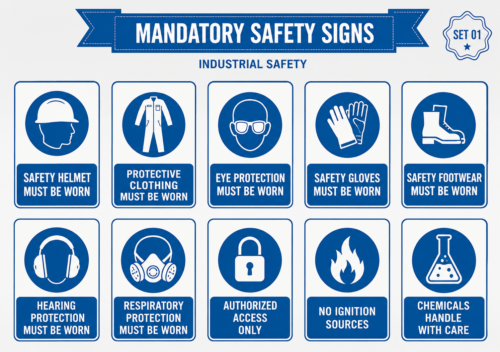 Durable, ISO/ANSI-compliant laboratory safety signs designed to clearly communicate hazards, required protective measures, and emergency equipment locations. Ideal for chemical labs, research facilities, and educational institutions.
 -
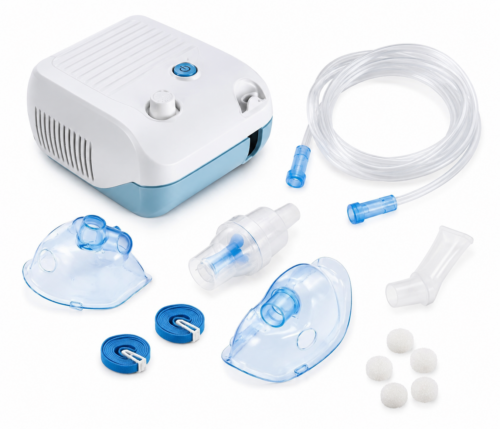 Nebulizers are medical devices that convert liquid medication into a fine mist, facilitating direct inhalation into the lungs. They are commonly used to treat respiratory conditions such as asthma, chronic obstructive pulmonary disease (COPD), and cystic fibrosis. Nebulizers are particularly beneficial for individuals who have difficulty using inhalers, including young children and elderly patients. There are various types of nebulizers, including jet, ultrasonic, and mesh nebulizers, each offering distinct advantages in terms of portability, noise levels, and medication delivery efficiency. Proper maintenance and cleaning of nebulizers are essential to ensure their effectiveness and prevent infections.
 -
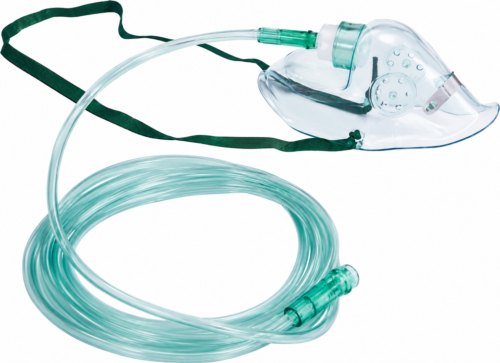 Oxygen masks are medical devices designed to deliver supplemental oxygen to individuals experiencing respiratory distress or low blood oxygen levels. They are commonly used in emergency settings, hospitals, and during transport to ensure adequate oxygenation. Oxygen masks come in various types, including non-rebreather masks, which provide high concentrations of oxygen, and nasal cannulas, which deliver lower concentrations. The choice of mask depends on the patient's condition and the required oxygen flow rate. Proper use of oxygen masks is crucial for effective respiratory support and patient safety.
Email. info@asnikainternational.com Call. +91 72087 38558






Global merchant trading and sourcing company serving the pharmaceutical and healthcare manufacturing industry.
QUICK LINKS
OUR SERVICES
CONTACT US
© Copyright 2025 Asnika International. All Rights Reserved. | Designed and Developed by 

Privacy Policy | Terms & Conditions