
-
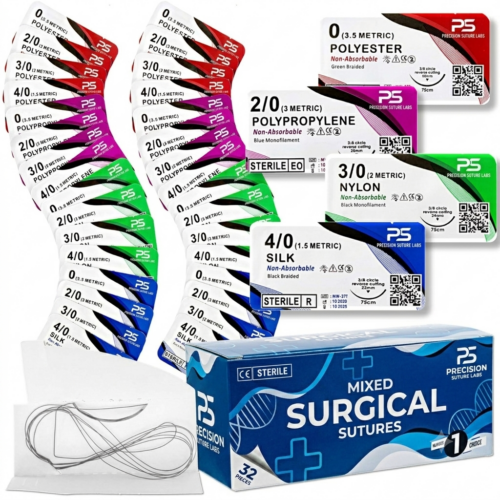 Premium sterile sutures designed to hold tissue edges securely during healing. Available in absorbable and non-absorbable materials, with monofilament or multifilament options threaded to swaged surgical needles.
 -
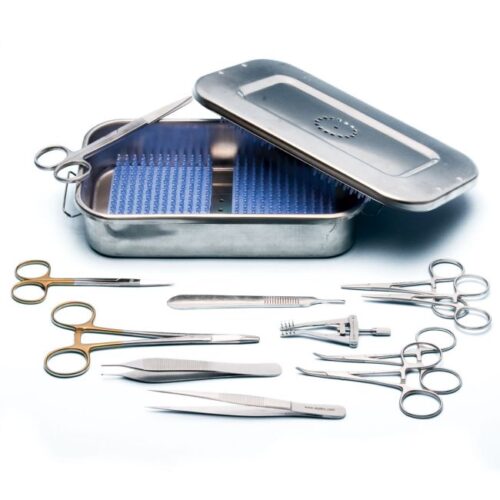 This 17-piece surgical instrument kit is crafted from high-quality stainless steel, ensuring durability and resistance to corrosion. Ideal for medical and surgical applications, the kit includes essential tools such as scalpels, forceps, scissors, and needle holders, all designed for precision and reliability. Each instrument is reusable and comes with a convenient carrying case for easy storage and transport.
 -
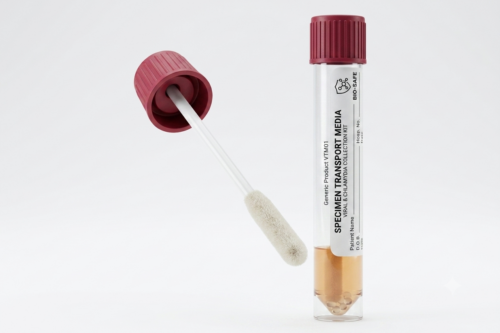 Diagnostic swabs are specialized tools designed for the collection of clinical specimens from various anatomical sites, including the nasopharynx, oropharynx, and skin lesions. These swabs are essential for accurate detection of pathogens in tests such as PCR, antigen assays, and bacterial cultures. They are commonly used in the diagnosis of respiratory infections, sexually transmitted infections, and other communicable diseases.
 -
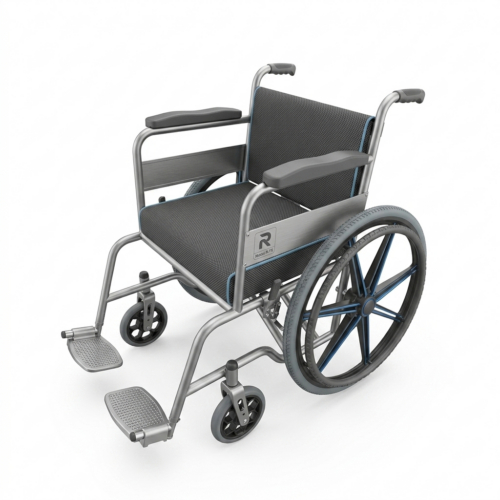 Wheelchairs are essential mobility aids designed to assist individuals with walking difficulties due to illness, injury, or age-related conditions. They provide users with the ability to move independently, enhancing their quality of life and facilitating participation in daily activities. Wheelchairs come in various types, including manual and powered models, to suit different needs and preferences.
 -
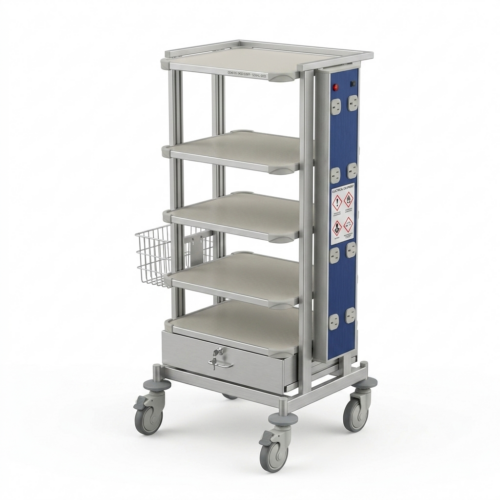 Hospital trolleys are mobile units designed to transport medical supplies, equipment, and medications within healthcare facilities. They are essential for improving workflow efficiency, enhancing patient care, and ensuring the availability of necessary tools at the point of use. These trolleys come in various types, including emergency trolleys, medication trolleys, dressing trolleys, and instrument trolleys, each tailored to specific medical functions. Features typically include sturdy construction, multiple shelves or drawers, and smooth-rolling casters for easy mobility.
 -
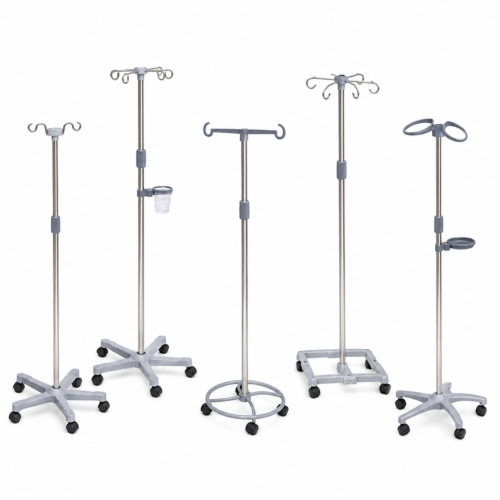 IV stands, also known as intravenous poles, are essential medical devices used to hold IV fluid bags, medications, or blood transfusion bags, allowing controlled administration to patients through an IV drip. They are designed to be sturdy and stable, preventing tipping during use. Most IV stands feature adjustable height mechanisms, enabling healthcare professionals to position the IV bags at the optimal height for patient care. The stands are typically equipped with multiple hooks to accommodate various IV bags simultaneously. Additionally, many models come with smooth-rolling casters for easy mobility within hospital rooms or clinics. Materials commonly used in IV stands include stainless steel and mild steel, both offering durability and resistance to corrosion. These stands are indispensable in hospitals, clinics, nursing homes, and other medical institutions for efficient and safe patient care.
 -
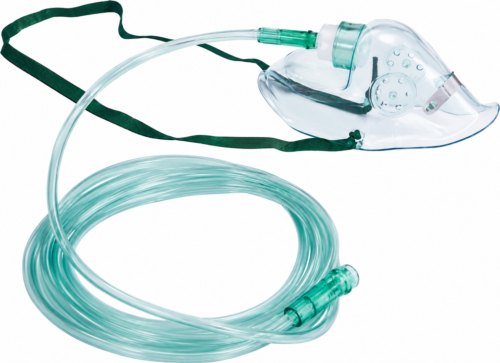 Oxygen masks are medical devices designed to deliver supplemental oxygen to individuals experiencing respiratory distress or low blood oxygen levels. They are commonly used in emergency settings, hospitals, and during transport to ensure adequate oxygenation. Oxygen masks come in various types, including non-rebreather masks, which provide high concentrations of oxygen, and nasal cannulas, which deliver lower concentrations. The choice of mask depends on the patient's condition and the required oxygen flow rate. Proper use of oxygen masks is crucial for effective respiratory support and patient safety.
 -
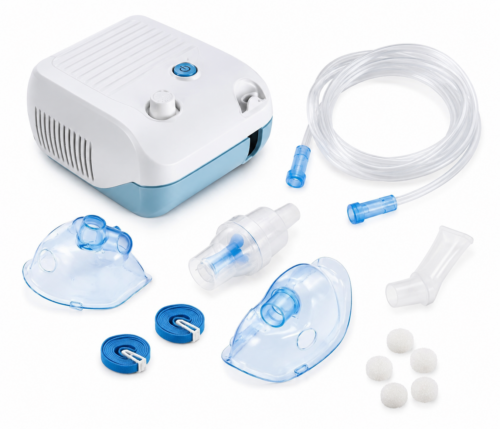 Nebulizers are medical devices that convert liquid medication into a fine mist, facilitating direct inhalation into the lungs. They are commonly used to treat respiratory conditions such as asthma, chronic obstructive pulmonary disease (COPD), and cystic fibrosis. Nebulizers are particularly beneficial for individuals who have difficulty using inhalers, including young children and elderly patients. There are various types of nebulizers, including jet, ultrasonic, and mesh nebulizers, each offering distinct advantages in terms of portability, noise levels, and medication delivery efficiency. Proper maintenance and cleaning of nebulizers are essential to ensure their effectiveness and prevent infections.
 -
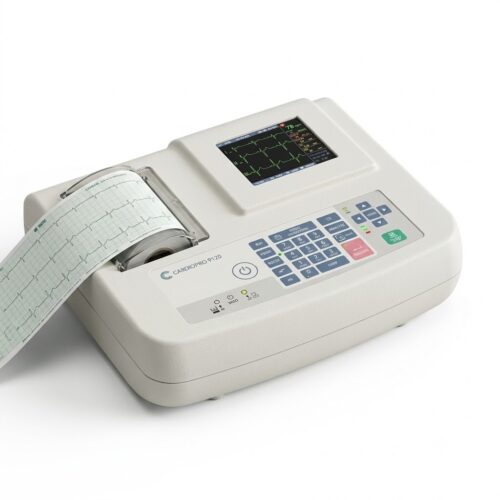 ECG machines are vital diagnostic tools used to measure the electrical activity of the heart over a period. They are essential in detecting heart conditions such as arrhythmias, heart attacks, and other cardiac abnormalities. ECG machines come in various models, including portable versions for home use and more advanced systems for hospital settings. Features to consider when selecting an ECG machine include the number of channels (commonly 12-lead), portability, ease of use, and connectivity options for data sharing and analysis.
 -
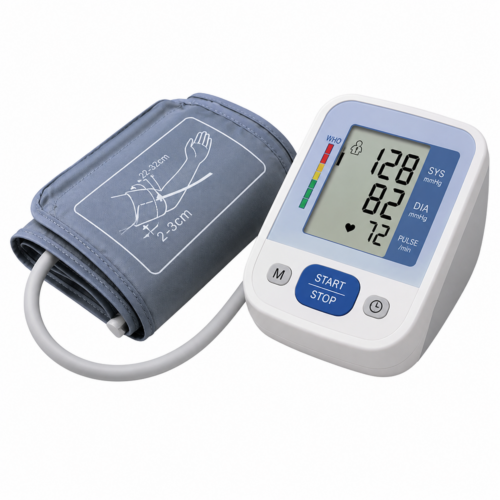 Blood pressure monitors are essential devices used to measure the force of blood against the walls of arteries as the heart pumps it around the body. Regular monitoring is crucial for detecting hypertension, a condition that can lead to serious health issues if left unmanaged. These monitors are available in various types, including manual (aneroid) and digital models, with digital monitors being more user-friendly and commonly used at home. Features to consider when selecting a BP monitor include cuff size, ease of use, memory storage for previous readings, and whether the device is validated for accuracy. It's important to choose a monitor that suits your specific needs and to follow the manufacturer's instructions for accurate readings.
 -
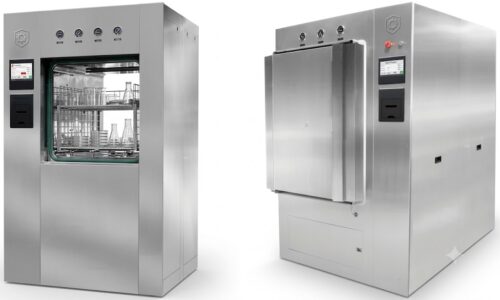
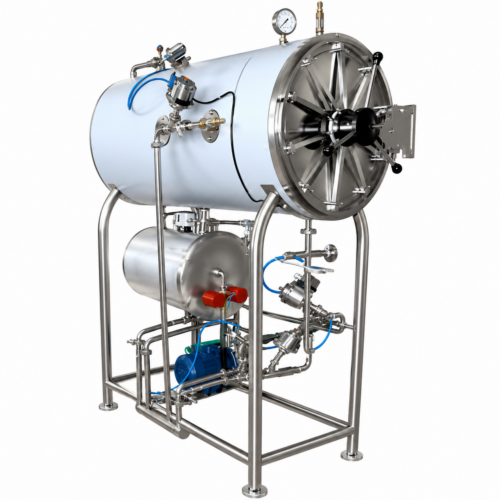 Autoclaves are specialized pressure vessels used to sterilize equipment and materials by subjecting them to high-pressure saturated steam at temperatures of 121°C (250°F) or higher. This process effectively destroys harmful microorganisms, including bacteria, viruses, fungi, and spores, ensuring the safety and sterility of medical, laboratory, and industrial instruments. Autoclaves are widely utilized in healthcare settings, research laboratories, and industries requiring stringent sterilization protocols. They are designed to handle various materials such as surgical instruments, glassware, liquids, and media, providing reliable and efficient sterilization solutions.
 -
 Disinfectants are chemical agents used to eliminate or reduce harmful microorganisms on surfaces, instruments, and hands, playing a vital role in infection prevention and control. They are commonly used in hospitals, laboratories, homes, and public spaces to maintain hygiene and reduce the spread of infectious diseases. Disinfectants come in various forms, including sprays, wipes, gels, and liquids, and contain active ingredients like alcohol, chlorine, or quaternary ammonium compounds. Choosing the appropriate disinfectant and using it according to guidelines ensures effective microbial control and safety. (who.int, cdc.gov)
 -
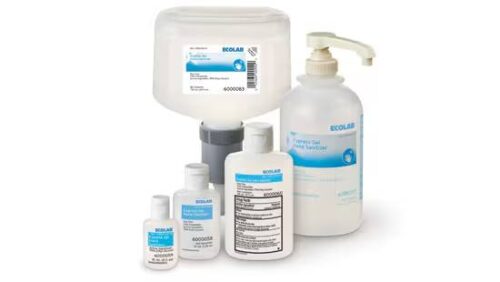 Sanitizers are convenient hand hygiene products designed to kill germs and bacteria quickly, especially when soap and water aren't available. They typically contain alcohol, which effectively disinfects hands and helps reduce the spread of infections. Available as gels, sprays, or wipes, sanitizers are essential in healthcare settings, workplaces, and everyday use to maintain clean and safe hands. Regular use promotes health and prevents disease transmission.
 -
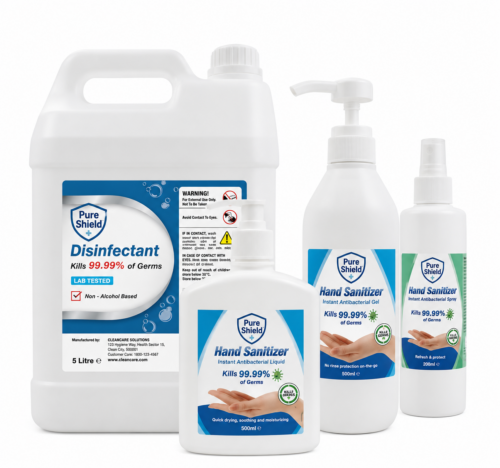 Alcohol-based hand sanitizers (available in gel and liquid forms) are powerful antimicrobial products designed to quickly kill germs and bacteria on the skin. With alcohol content typically ranging from 60% to 95%, they provide rapid disinfection, making them highly effective for hand hygiene when soap and water are unavailable. The gel form offers easy application and minimal mess, while the liquid form is suitable for larger coverage and surface disinfection. Both forms are widely used in healthcare, public places, and homes to help reduce the spread of infections and maintain personal hygiene. Regular use supports healthy hands and safer environments.
 -
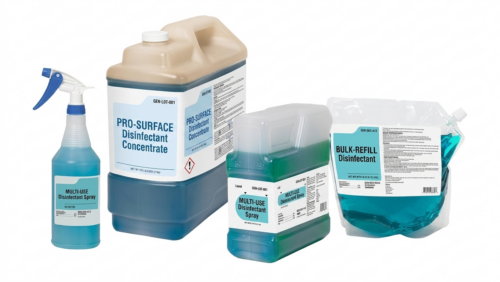 Surface disinfectants designed for hospital and industrial use provide powerful antimicrobial action to eliminate bacteria, viruses, fungi, and other harmful pathogens from various surfaces. These disinfectants ensure sterile environments critical in healthcare settings, laboratories, food processing units, and manufacturing plants. Available in sprays, wipes, liquids, and concentrates, they are formulated to meet stringent safety and efficacy standards. Using these disinfectants regularly helps maintain hygiene, prevent cross-contamination, and comply with health regulations, safeguarding both staff and patients in sensitive environments.
 -
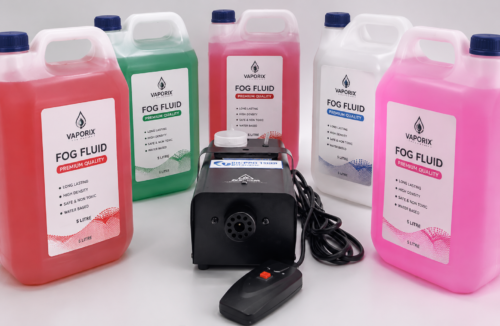 Fogging and misting disinfectant solutions offer efficient and thorough sanitization by dispersing fine droplets of disinfectant into the air, allowing coverage of hard-to-reach surfaces and large areas. These methods are widely used in hospitals, industrial facilities, and public spaces to control the spread of pathogens including viruses, bacteria, and fungi. The fog or mist penetrates cracks, crevices, and ventilation systems, ensuring comprehensive microbial control. Suitable for both routine cleaning and outbreak situations, fogging and misting solutions enhance hygiene standards and promote safer environments.
 -
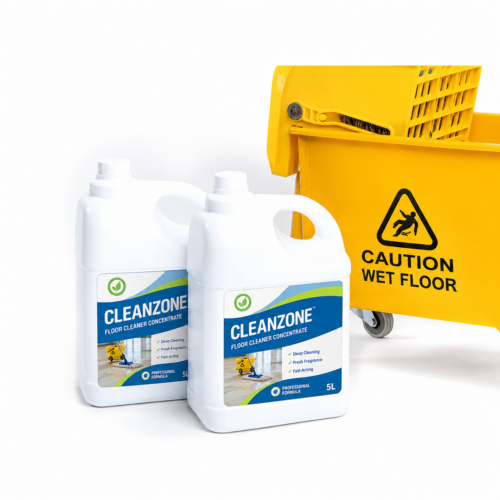 Industrial-grade cleaning agents and floor sanitizers are specially formulated to tackle heavy-duty dirt, grease, and microbial contaminants in commercial and industrial environments. Designed for use on a variety of hard surfaces, including concrete, tiles, and metal floors, these products ensure deep cleaning while maintaining surface integrity. Their potent antimicrobial properties help control bacteria, fungi, and viruses, making them ideal for factories, warehouses, hospitals, and food processing units. Using these cleaning agents regularly supports a hygienic, safe, and compliant workspace.
 -
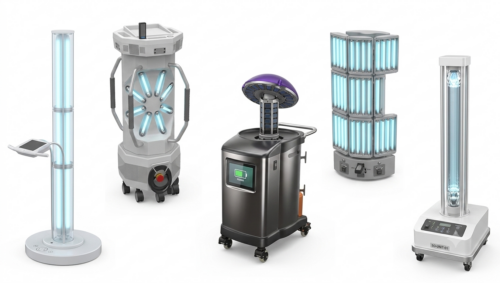 UV sterilization devices use ultraviolet light to effectively kill or inactivate microorganisms such as bacteria, viruses, and fungi by disrupting their DNA. These devices are widely used in hospitals, laboratories, and industries for rapid, chemical-free disinfection of surfaces, air, and water. UV sterilizers offer an eco-friendly and efficient solution to maintain sterile environments and reduce infection risks.
Email. info@asnikainternational.com Call. +91 72087 38558
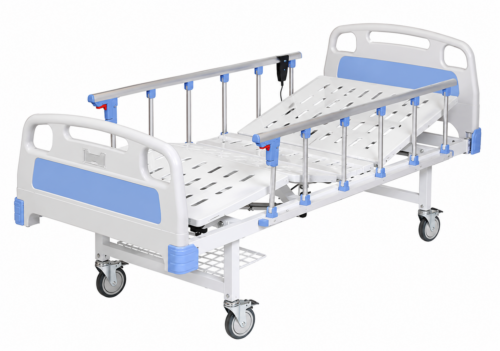

Global merchant trading and sourcing company serving the pharmaceutical and healthcare manufacturing industry.
QUICK LINKS
OUR SERVICES
CONTACT US
© Copyright 2025 Asnika International. All Rights Reserved. | Designed and Developed by 

Privacy Policy | Terms & Conditions